Siding is easy to take for granted — until it isn't. It's your home's outer armor against rain, wind, and sun, and it plays a big role in how your home looks and how well it holds up over time. When siding starts to fail, the signs aren't always dramatic, but catching them early prevents much bigger problems behind the walls.
What siding actually does for your home
Good siding sheds water away from your home's structure, blocks wind-driven rain, and protects the sheathing and framing underneath. It also contributes to insulation and curb appeal. When siding fails, water gets behind it — and that's where the real damage happens, often out of sight.
Visible signs it's time to replace
Walk around your home and look for these clear warning signs:
- Cracked, split, or broken panels — especially near the ground or corners.
- Warping, buckling, or panels that have pulled away from the wall.
- Faded, chalky, or brittle siding that's lost its finish.
- Mildew, mold, or algae growth that keeps returning after cleaning.
- Loose or missing pieces around windows, doors, and corners.
Hidden problems behind old siding
The most serious siding problems are the ones you can't see. Moisture that gets behind failing siding can rot the sheathing, invite pests, and eventually damage the framing inside your walls. If you've noticed peeling paint indoors near exterior walls, soft spots, or a musty smell, there may be moisture damage hidden behind the siding. A full siding replacement lets us tear off the old material, inspect and repair the substrate, and install fresh house wrap and flashing — so the new siding performs the way it should.
Repair or replace?
Not every damaged panel means a full replacement. If the damage is isolated and the rest of the siding is in good shape, a targeted siding installation repair can extend the life of the system. But when problems are widespread, when the siding is near the end of its life, or when there's hidden moisture damage, replacement is the more durable and often more cost-effective choice.
Choosing the right material for Connecticut
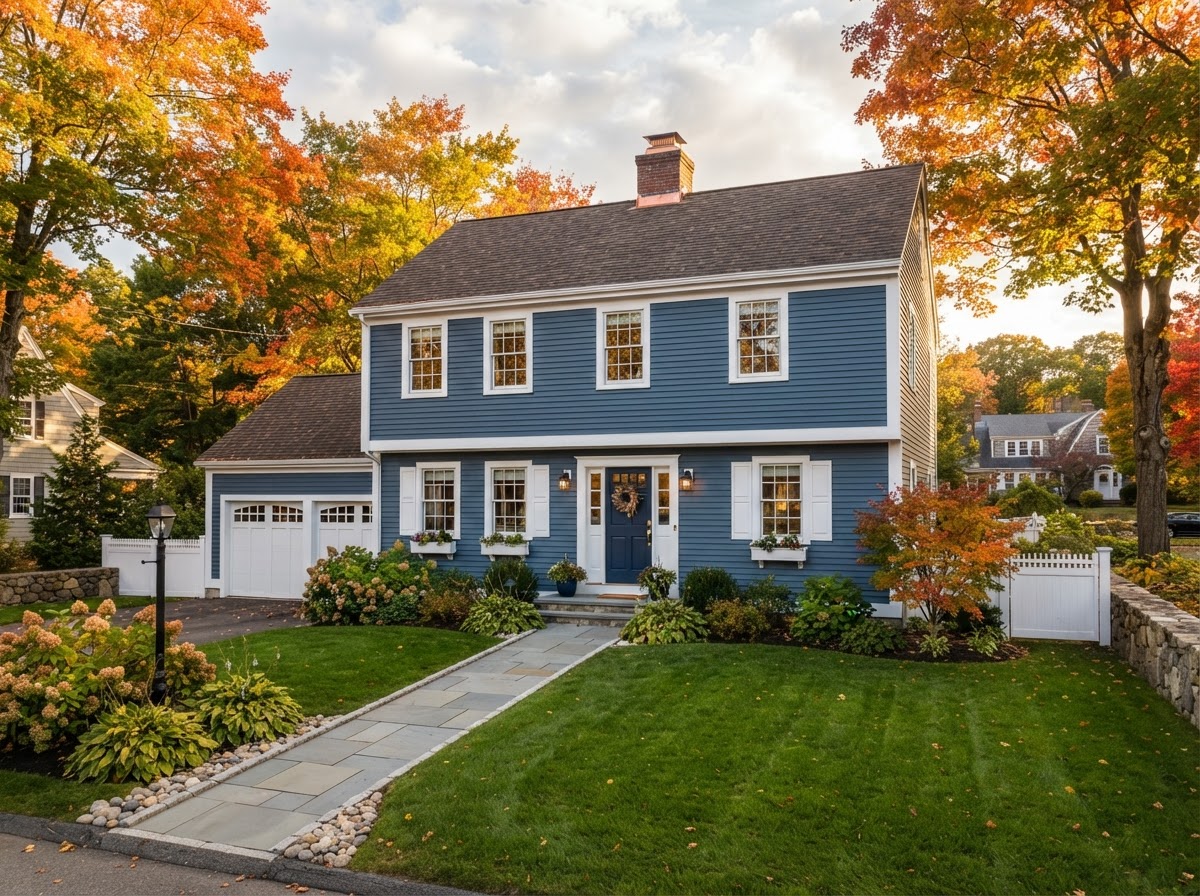
Connecticut weather demands siding that handles wind, moisture, and temperature swings. Quality vinyl offers value and low maintenance, while fiber cement offers the best durability and paintability for homes that take a lot of weather exposure. We help you choose based on your home, your budget, and how much weather it faces.
Not sure if your siding needs repair or replacement? We'll inspect it and give you an honest assessment and a clear estimate.
Get your free estimate
Tell us about your project and we'll reach out to schedule a free, no-obligation inspection.